
Advancing South India’s Global Agenda
To end the Rollercoaster ride that is the Sri Lankan Economy: Sripathi Narayanan, Ph.D.
BackTo end the Rollercoaster ride that is the Sri Lankan Economy: Sripathi Narayanan, Ph.D.
To end the Rollercoaster ride that is the Sri Lankan Economy
Author: Sripathi Narayanan, Ph.D.
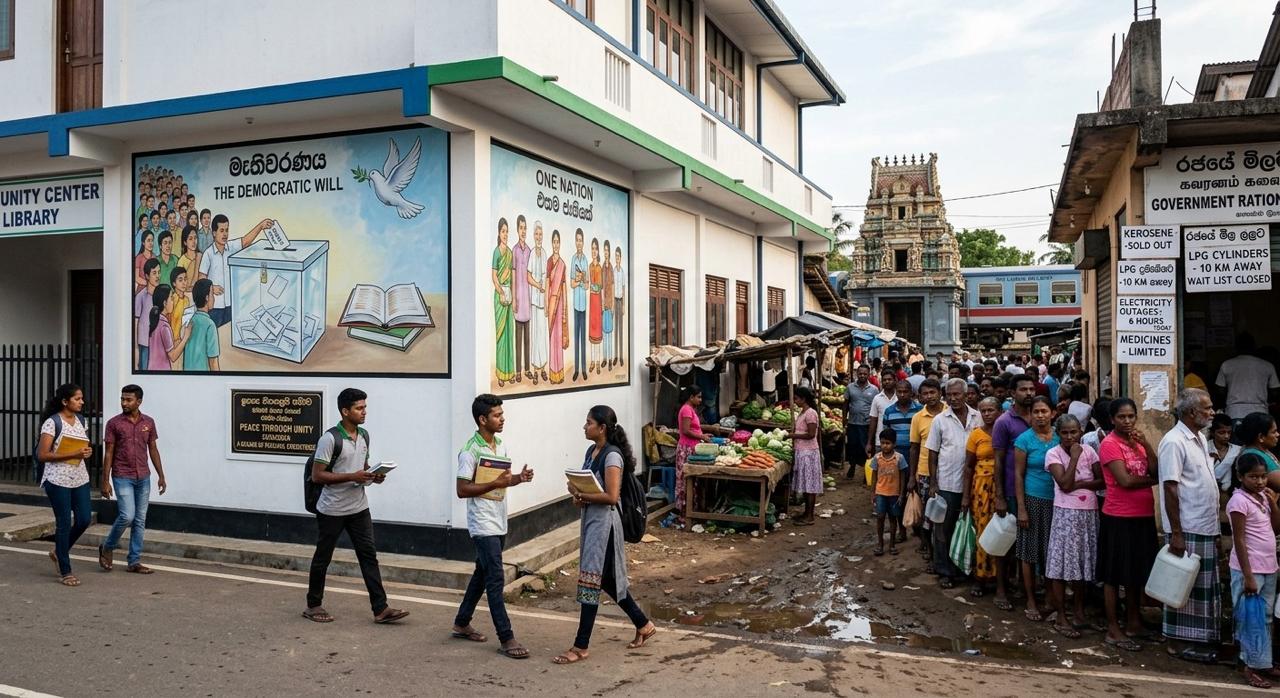
Sri Lanka, having overcome its multi-decade long armed internal ethnic strife, has managed to reset the political landscape not only in terms of personalities but also ideological disposition. However, this land is yet to come to terms for nearly a decade now, with its near never-ending cycle of economic turmoil. While the political landscape and as its derivative, the ethnic fault lines and armed insurrection, are not the same as the economy, the contrast between the two are quite glaring. The former has been shaped by the ballot and by the barrel (of the gun) on occasion, while the economy and the resultant socio-economic woes that have shaped and reshaped the Sri Lankan countryside are increasingly becoming episodic.
Between Politics and Economics
The fundamental challenge and distinguishing feature between the political and economic landscapes of Sri Lanka lies in the structural features of these two. The internal strife, which has largely been associated with ethnic friction, was also influenced by ideological dispositions. As a result, while the political issues were addressed politically, though waxing and waning through each political season and with a generous dose of heavy-handed measures by the state machinery, the economy lacked the benevolence of the political cycle and was frozen in a structural vortex that the nation has not been able to break free.
So, the nation’s economic drivers have not undergone any drastic change over the decades, especially when it comes to avenues of generating foreign exchange (forex) reserves. In terms of the latter, the avenues of earnings are still limited to four verticals - tourism, apparel and textile exports, followed by remittances and then by the export of select cash crops like tea and rubber. This structure did well for the country in earlier times, even when the political and security landscape was volatile, partly due to the shifting profile of the drivers of the global economy.
In the decades following Independence in 1948 and the subsequent adoption of a market economy model, Sri Lanka flourished in traditional sectors like tea and textiles, later complemented by a vibrant tourism sector. However, this did not translate into growth in other domains like manufacturing and non-hospitality services. One notable feature was that Sri Lanka’s principal trade partners were largely from the West.
In the new millennium, the nation undertook a significant shift in its economic character. One key reason was the imbalance between export partners (primarily the West) and import partners (mostly in Asia). At the same time, Sri Lanka aimed to reshape itself as a regional hub, similar to Singapore and Dubai. In this context, Colombo joined China’s Belt and Road Initiative without fully accounting for its limitations. The goal was to position itself as a regional maritime and financial hub. With steady social sector progress, including high literacy and life expectancy, this ambition appeared promising on paper.
It was in this backdrop that the country launched ambitious infrastructure projects aimed at serving regional markets rather than domestic needs. These included the Hambantota Port and Industrial Zone, the Colombo Port City (CPC), Mattala International Airport, and Colombo International Container Terminals. However, many of these turned into financial burdens, exacerbated by heavy reliance on external debt and subsidies.
Despite a change in leadership in 2015, structural economic weaknesses persisted. The fragility became more visible due to several events. The 2019 Easter Sunday bombings severely impacted tourism, while the COVID-19 pandemic disrupted all major sources of foreign exchange earnings. Subsequently, global events like the Russia-Ukraine conflict further strained the economy through reduced tourism and rising oil prices.
In response, the government introduced policies such as tax cuts and a sudden shift to organic farming by banning chemical fertilizers. These decisions led to reduced agricultural output, food shortages, and worsened the fiscal crisis, as national debt exceeded the country’s economic output.
This culminated in widespread protests in 2022, known as the Aragalaya movement, leading to the resignation of President Gotabaya Rajapaksa. The crisis was driven by declining government revenue, poor policy decisions, and an unprepared transition to organic agriculture.
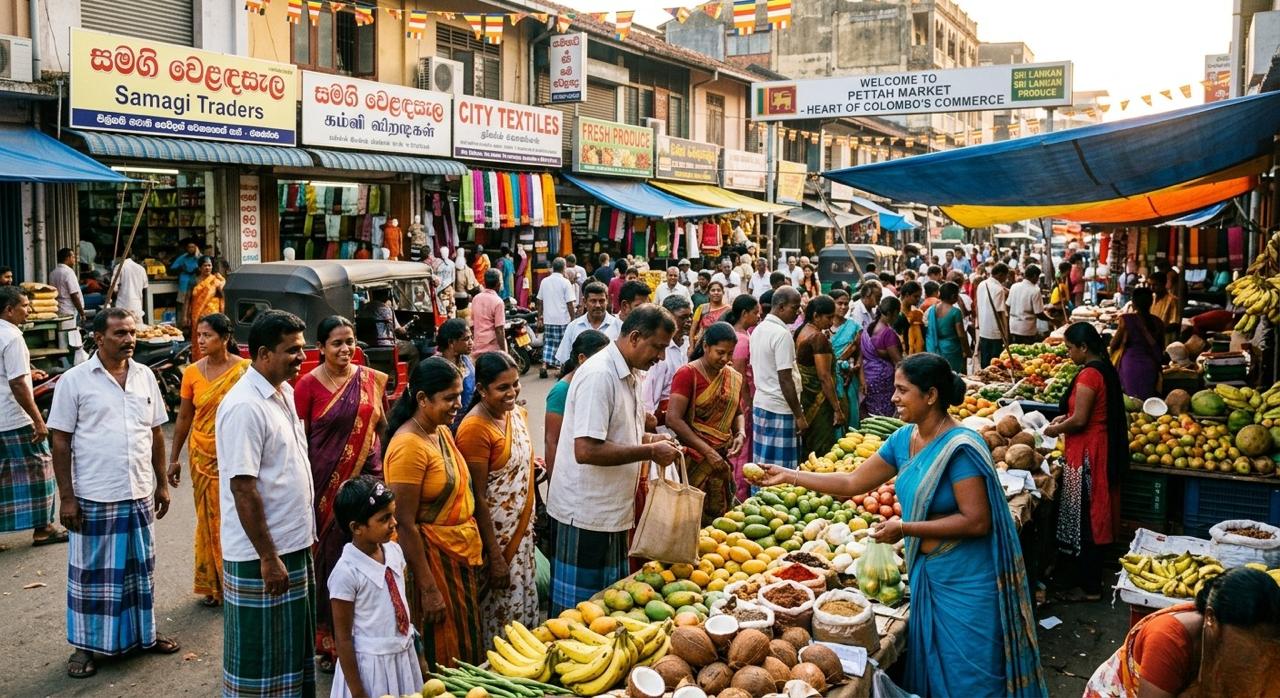
The Light at the End of the Tunnel
Despite these challenges, the ongoing global crisis presents both risks and opportunities for Sri Lanka. Strengthening economic ties with India could be a key strategy. Joint initiatives, such as redeveloping oil storage facilities in Trincomalee and fuel assistance from India, highlight this growing partnership.
Beyond immediate relief, integrating with India’s supply chains under initiatives like Atmanirbhar Bharat could help Sri Lanka diversify its economy, attract investment, and strengthen its export base. This could also reduce vulnerability to global shocks and improve foreign exchange stability.
However, challenges remain, particularly political sensitivities and domestic resistance to closer ties with India. Addressing these concerns will be crucial for long-term cooperation. Given India’s consistent support, there is significant potential for both nations to build a mutually beneficial economic partnership.
(Sripathi Narayanan, Ph.D. is a New Delhi based security and foreign policy analyst).
Disclaimer: The views and opinions expressed in this article are those of the author(s) and do not necessarily reflect the official position of the Deccan Centre for International Relations.